
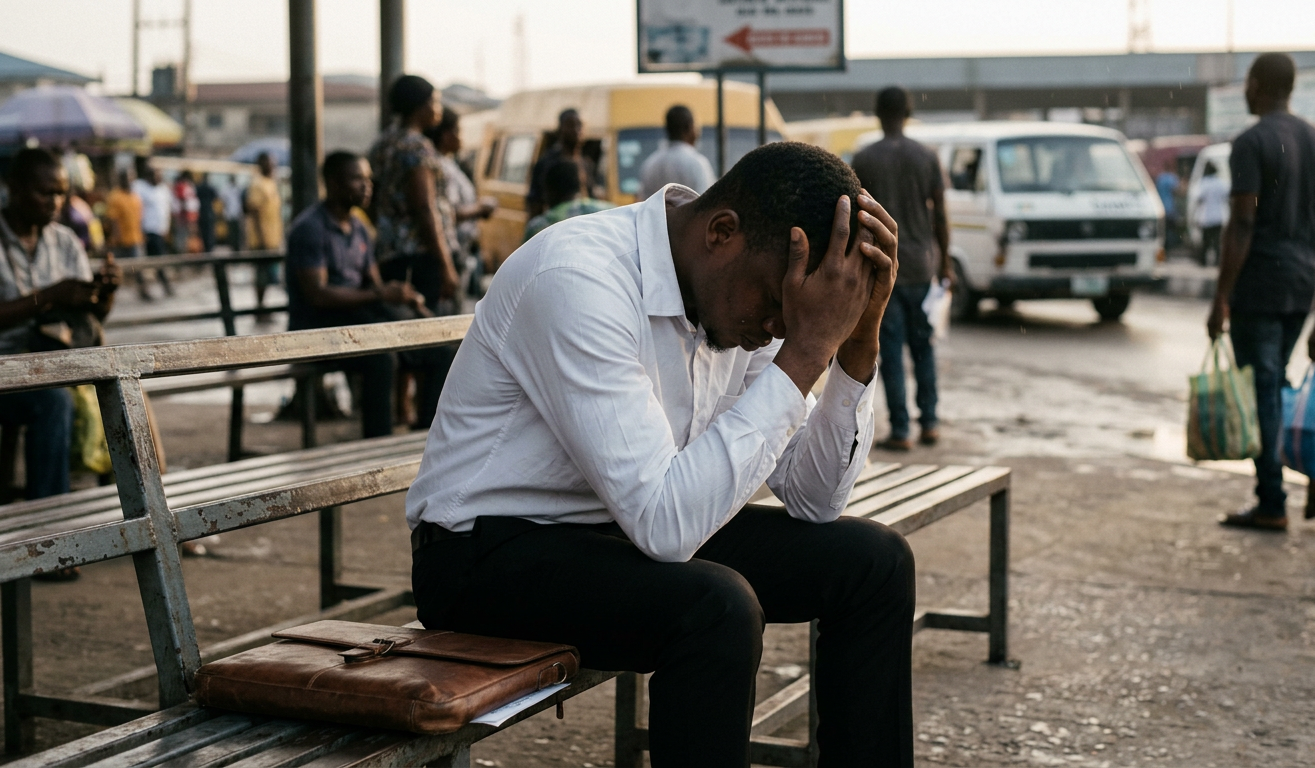
A job interview is one of the most important steps in the hiring process. It is an opportunity for candidates to demonstrate their qualifications, skills, and personality to potential employers. However, many qualified candidates fail to secure a job because of avoidable mistakes during the interview. Understanding these mistakes can help job seekers improve their chances of success.
1. Arriving Late
Punctuality is very important in the workplace. Arriving late to an interview creates a negative first impression and may suggest that the candidate is not reliable or organized. Candidates should plan to arrive at least 10–15 minutes early.
2. Poor Preparation
Many candidates attend interviews without researching the company. Employers expect applicants to know basic information about the organization, such as its mission, services, or industry. Lack of preparation shows a lack of interest.
3. Dressing Inappropriately
Professional appearance matters during interviews. Wearing inappropriate or casual clothing may make the candidate appear unprofessional. Dressing neatly and professionally demonstrates respect for the opportunity and the employer.
4. Weak Communication Skills
Some candidates struggle to express their thoughts clearly. Speaking too softly, giving very short answers, or failing to explain experiences properly can reduce the employer’s confidence in the candidate.
5. Speaking Negatively About Previous Employers
Complaining about former employers, teachers, or colleagues can create the impression that the candidate may bring negativity to the workplace. Employers prefer individuals who maintain professional respect even when discussing past experiences.
6. Showing Lack of Confidence
Confidence is important during an interview. Avoiding eye contact, speaking with uncertainty, or appearing nervous can make the employer question the candidate’s ability to perform the job.
7. Providing Dishonest Information
Some candidates exaggerate their skills or experience. Employers often verify information, and dishonesty can damage a candidate’s credibility and reputation.
8. Interrupting the Interviewer
Interrupting the interviewer while they are speaking can appear disrespectful. Candidates should listen carefully and allow the interviewer to finish before responding.
9. Not Asking Questions
At the end of an interview, employers often ask if the candidate has any questions. Saying “No” may suggest a lack of interest. Asking thoughtful questions shows curiosity and enthusiasm about the position.
Examples of good questions include:
-
“What opportunities are available for professional growth in this organization?”
-
“What qualities do successful employees in this role usually demonstrate?”
10. Forgetting to Thank the Interviewer
Failing to express gratitude at the end of the interview may leave a weak final impression. Candidates should always thank the interviewer for the opportunity and express their interest in the position.
Conclusion
Avoiding common interview mistakes can significantly improve a candidate’s chances of success. By preparing thoroughly, communicating confidently, maintaining professionalism, and demonstrating genuine interest, job seekers can present themselves as strong and capable candidates. A successful interview is not only about qualifications but also about attitude, preparation, and professionalism.